
Second-Violation SR-22 Quotes — Louisiana
Free to compare
Your Second Violation Just Changed Your Carrier Pool
You received your second violation notice from Louisiana OMV and your current carrier sent a non-renewal letter thirty days later. The SR-22 filing requirement you satisfied after your first violation does not transfer smoothly into a second filing period — most carriers that wrote your profile after violation one will not renew after violation two within the same five-year window. You are not comparing rate increases on your existing policy. You are shopping a different market tier entirely.
Louisiana requires SR-22 filing for three years after a second DUI, uninsured motorist citation, or reckless driving conviction under La. R.S. 32:415.1. The filing period starts from your conviction date, not your suspension end date. Your carrier obligation runs parallel to your license status — you must maintain continuous SR-22 coverage even during a hard suspension period when you cannot legally drive. A single day of lapse restarts the three-year clock and triggers OMV administrative action.
“A second violation within five years moves your profile from standard-tier SR-22 into non-standard — the carrier does not raise your rate and keep you, they non-renew at anniversary.”

Compare Louisiana Insurers That File SR-22s
Get My Louisiana SR-22 Auto Insurance Quote3 years
Louisiana SR-22 Filing Period
Second-violation SR-22 filing in Louisiana runs for three years measured from conviction date under La. R.S. 32:415.1. The clock does not pause during suspension and does not restart at reinstatement — it runs continuously regardless of driving privileges.
La. R.S. 32:415.1
Why Standard-Tier Carriers Exit After Violation Two
Carriers tier risk using lookback windows, not violation counts in isolation. A second violation within five years of the first moves your profile from standard-tier SR-22 (carriers like State Farm, GEICO, Progressive that write first-offense DUI with filing) into non-standard-tier SR-22 (carriers like Bristol West, The General, Direct Auto, National General). The five-year recency threshold appears in underwriting guidelines across the Louisiana market — it is not statutory, it is actuarial.
Your first-violation carrier wrote your profile because the prior five years were clean. Your second violation falsifies that assumption retroactively. The carrier does not raise your rate and keep you — they non-renew at your policy anniversary and you receive thirty days to replace coverage before your SR-22 filing lapses. OMV receives electronic notification of the lapse from your outgoing carrier the day coverage terminates. You do not get a grace period.
This is why comparing quotes before your non-renewal effective date matters structurally. Louisiana's no-lapse SR-22 requirement means you cannot let your existing policy expire and then shop — the instant you have zero coverage in force, OMV suspends your restricted license if you hold one, or extends your hard suspension period if you are still within that window. You need a new policy bound with SR-22 filing active before your old policy's termination date.
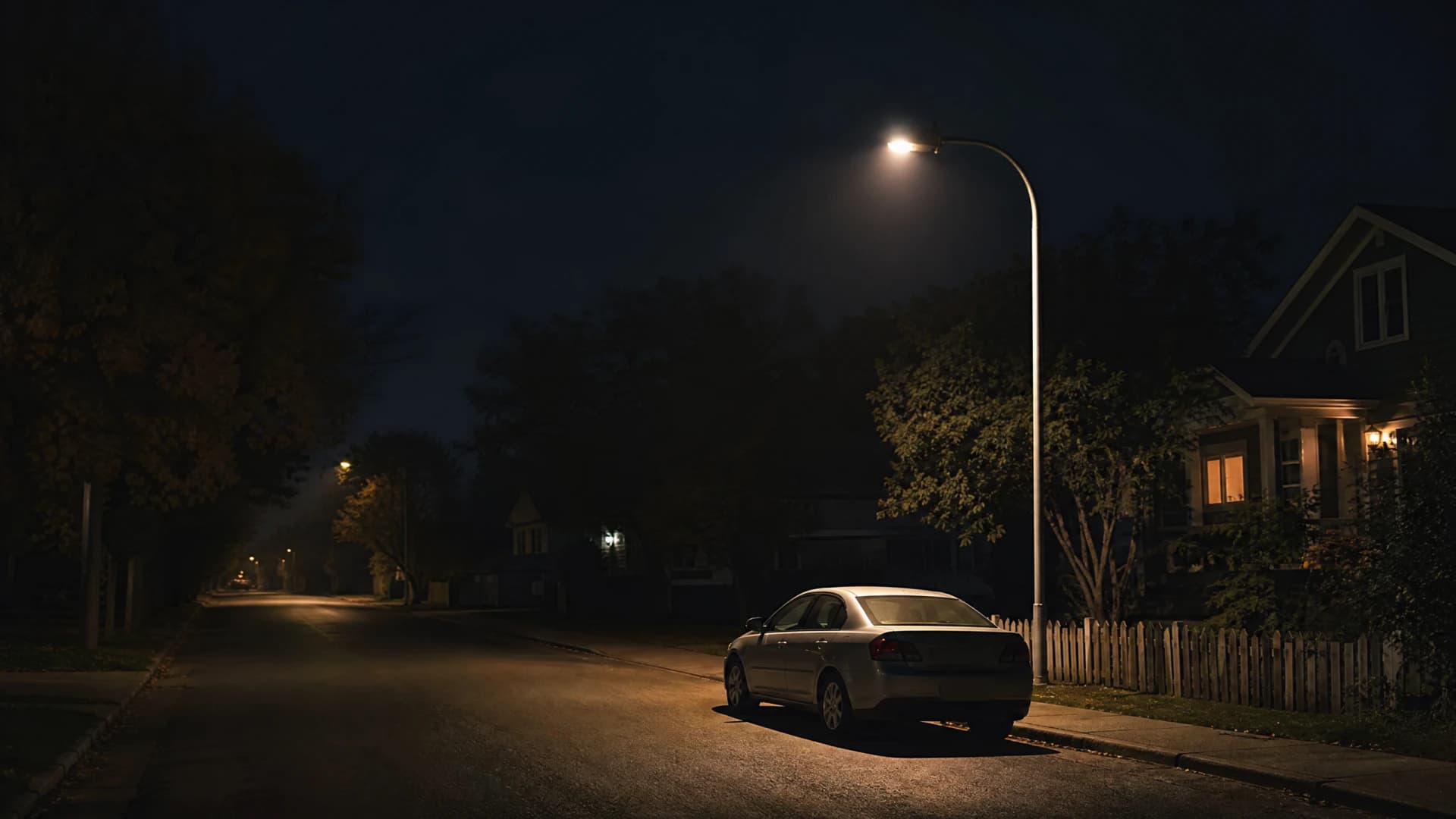
Standard-tier carriers non-renew second-within-five-year SR-22 filers at policy anniversary. OMV receives lapse notification the day coverage ends — restricted license privileges terminate immediately.






Filing Mechanics and OMV Notification Windows
Your new carrier files SR-22 electronically with Louisiana OMV within one business day of policy binding. OMV processes the filing and updates your driver record within two to five business days. You do not receive paper confirmation from OMV — your proof of SR-22 compliance is the policy declarations page showing SR-22 endorsement plus your carrier's electronic filing receipt. Keep both documents accessible because restricted license applications and reinstatement hearings require current SR-22 proof, not historical proof.
The three-year filing clock that started at your second conviction date does not reset when you switch carriers mid-period. If you are fourteen months into your SR-22 requirement when your first-violation carrier non-renews you, your new non-standard carrier files SR-22 for the remaining twenty-two months only. OMV tracks filing continuity across carrier changes — what matters is zero-day gap between your old policy's termination and your new policy's effective date. A single day without active SR-22 coverage restarts the full three-year clock from the lapse date under La. R.S. 32:415.1.
When your new policy binds, confirm OMV received the SR-22 filing by checking your driver record online at omv.dps.louisiana.gov three business days after binding. The record will show SR-22 status active with your new carrier's name and NAIC number. If the record still shows your old carrier or shows no active filing, contact your new carrier immediately — filing transmission errors happen and you are responsible for confirming OMV compliance, not the carrier.
$60
Louisiana Reinstatement Base Fee
Louisiana OMV charges a sixty-dollar base reinstatement fee under R.S. 32:415.1, separate from any court fines, SR-22 filing fees, or hardship license application costs. Additional fees may apply depending on suspension type and whether ignition interlock enrollment is required.
La. R.S. 32:415.1

Non-Owner SR-22 When You Sold the Vehicle
Second violations often coincide with vehicle loss — the car was totaled in the incident that triggered violation two, or you sold it during the hard suspension period because you could not drive it and could not afford to insure it. Louisiana allows SR-22 filing on non-owner policies, which satisfy OMV's continuous-coverage requirement without insuring a specific vehicle. Non-owner SR-22 covers you when driving borrowed or rental vehicles and maintains your filing compliance during periods when you do not own a car.
GEICO, Progressive, and USAA write non-owner SR-22 policies in Louisiana for drivers with second violations, as do the non-standard carriers listed earlier. Non-owner premium runs lower than standard auto policy premium because the carrier's exposure is limited — you are not driving daily, the vehicle you occasionally drive is insured under someone else's policy, and non-owner coverage functions as secondary liability only. Application still requires both violation convictions disclosed, and non-standard-tier pricing still applies if your second violation occurred within five years of the first.
Compare Quotes Thirty Days Before Non-Renewal
Your current carrier's non-renewal notice specifies the exact date coverage terminates. Bind your replacement policy to start on that termination date — not the day after, the same day. Louisiana OMV interprets same-day carrier switches as continuous coverage. A gap of even one calendar day between policies triggers lapse consequences: OMV suspends any restricted license immediately, adds suspension days if you are still in your hard suspension period, and restarts your three-year SR-22 clock from the lapse date.
Request quotes from all four non-standard carriers writing second-violation SR-22 in Louisiana: Bristol West (through a broker), The General, Direct Auto, and National General. Provide identical coverage selections across quotes — Louisiana minimum liability limits are fifteen thousand dollars per person, thirty thousand dollars per accident for bodily injury, and twenty-five thousand dollars for property damage, but quoting higher limits often produces better per-dollar value in the non-standard tier. Submit applications with conviction details, driver abstract, and current address documentation ready. Bind the lowest-cost compliant quote at least three business days before your non-renewal effective date to allow filing processing time before your old policy expires.
Carriers Writing Second-Violation SR-22 in Louisiana
Bristol West, The General, Direct Auto, and National General write SR-22 policies for second-violation drivers in Louisiana. All four file SR-22 electronically with OMV and maintain continuous-coverage monitoring systems that flag lapses before they occur. Bristol West requires broker intermediation — you cannot quote directly online — while The General, Direct Auto, and National General offer direct online quotes. Application requires your OMV driver history abstract, proof of current address, and details of both violations including conviction dates and case numbers.
Non-standard carriers price using conviction recency, not just violation count. A second violation eighteen months after the first prices higher than a second violation four years after the first, even though both trigger the same three-year SR-22 filing period. Expect per-violation surcharges layered on top of base non-standard premium. Payment plans typically require down payments between twenty-five and forty percent of six-month premium, with monthly installments carrying financing fees that standard-tier carriers do not charge.
Get Your Free Quote
Get My Louisiana SR-22 Auto Insurance QuoteFrequently Asked Questions
Does my SR-22 filing transfer automatically when my carrier non-renews me after a second violation?
No. Your old carrier terminates your SR-22 filing when your policy expires, and OMV receives electronic lapse notification that same day. Your new carrier must file a new SR-22 with OMV before your old policy's termination date to avoid a filing gap. Louisiana interprets any gap as a lapse, which restarts your three-year SR-22 requirement from the lapse date.
Can I wait until after my suspension ends to get SR-22 insurance in Louisiana?
No. Louisiana requires continuous SR-22 coverage during your entire suspension period, including hard suspension when you cannot drive. OMV will not process reinstatement or issue a restricted license without proof of active SR-22 filing. Waiting until suspension ends to purchase coverage means you spent months or years out of compliance, which extends your SR-22 requirement and adds administrative penalties.
Why do non-standard carriers require higher down payments than my first-violation carrier charged?
Non-standard carriers price for elevated lapse risk, and higher down payments reduce that exposure. Second-violation drivers statistically lapse coverage more frequently than first-violation drivers. Down payments between twenty-five and forty percent of six-month premium are standard in Louisiana's non-standard tier, compared to ten to fifteen percent in standard-tier SR-22 policies.
What happens if I let my SR-22 policy lapse for one day between carriers?
OMV suspends any restricted license immediately and restarts your full three-year SR-22 filing requirement from the lapse date under La. R.S. 32:415.1. If you are already suspended, the lapse adds days to your suspension period and delays reinstatement eligibility. Even a single-day gap between policies is treated as failure to maintain continuous coverage.
Do I need a vehicle to get SR-22 insurance after my second violation in Louisiana?
No. Louisiana allows SR-22 filing on non-owner policies, which cover you when driving borrowed or rental vehicles without insuring a specific car you own. GEICO, Progressive, USAA, The General, Direct Auto, and National General all write non-owner SR-22 policies for second-violation drivers in Louisiana. Non-owner SR-22 satisfies OMV's filing requirement and maintains compliance during periods without vehicle ownership.