
Non-Owner SR-22 Without a Vehicle — Louisiana
Free to compare
Why Louisiana OMV Requires SR-22 When You Have No Car
You sold your car after the suspension. You're living without a vehicle, taking rideshares to work, borrowing a family member's car when necessary. Then Louisiana OMV tells you that reinstatement requires SR-22 proof of financial responsibility — even though you no longer own the vehicle that got you into this situation. The requirement feels absurd until you understand what SR-22 actually is.
SR-22 is not a type of insurance. It's a state-mandated certification filed electronically by your insurer directly to Louisiana OMV proving you carry at least the state minimum liability limits: $15,000 per person for bodily injury, $30,000 per accident, and $25,000 for property damage. The filing requirement attaches to your driver's license, not to a specific vehicle. Louisiana law (R.S. 32:415.1 and 32:863) requires continuous proof of future financial responsibility after certain violations — DUI, driving uninsured, refusal to submit to chemical testing — regardless of whether you currently own a car.
“The SR-22 filing requirement attaches to your driver's license, not to a specific vehicle — Louisiana mandates proof of financial responsibility whether or not you own a car.”

Compare Louisiana Insurers That File SR-22s
Get My Louisiana SR-22 Auto Insurance Quote$15,000 / $30,000 / $25,000
Louisiana Minimum Liability Limits
Every SR-22 policy in Louisiana must meet or exceed these statutory minimums. The SR-22 filing itself is a certificate confirming your policy carries this coverage; it does not change the underlying insurance product.
Louisiana R.S. 32:900
What Non-Owner SR-22 Actually Covers
A non-owner SR-22 policy is liability-only coverage that follows you as a driver, not a specific vehicle. It covers bodily injury and property damage you cause while driving a car you do not own: a borrowed vehicle, a rental car, a vehicle provided by an employer for work purposes, or a car you're test-driving. The policy does not cover damage to the vehicle you're driving — that's the owner's responsibility under their own collision or comprehensive coverage.
Non-owner policies explicitly exclude vehicles you own, vehicles registered in your name, and vehicles available for your regular use (such as a household member's car you drive daily). If you live with someone who owns a car and you drive it regularly, Louisiana insurers will require you to be listed as a driver on that vehicle's policy rather than issuing a standalone non-owner policy. The non-owner product is built for drivers who genuinely do not have regular access to a vehicle.
The SR-22 filing attached to a non-owner policy works identically to an SR-22 on a standard auto policy. Your insurer submits the certificate to Louisiana OMV electronically. OMV records the filing and tracks it against your license. If the policy lapses or cancels, the insurer notifies OMV within 10 days and your license is re-suspended immediately under Louisiana's electronic verification system. The filing must remain continuous for the full period OMV specifies — typically 3 years for a first-offense DUI.
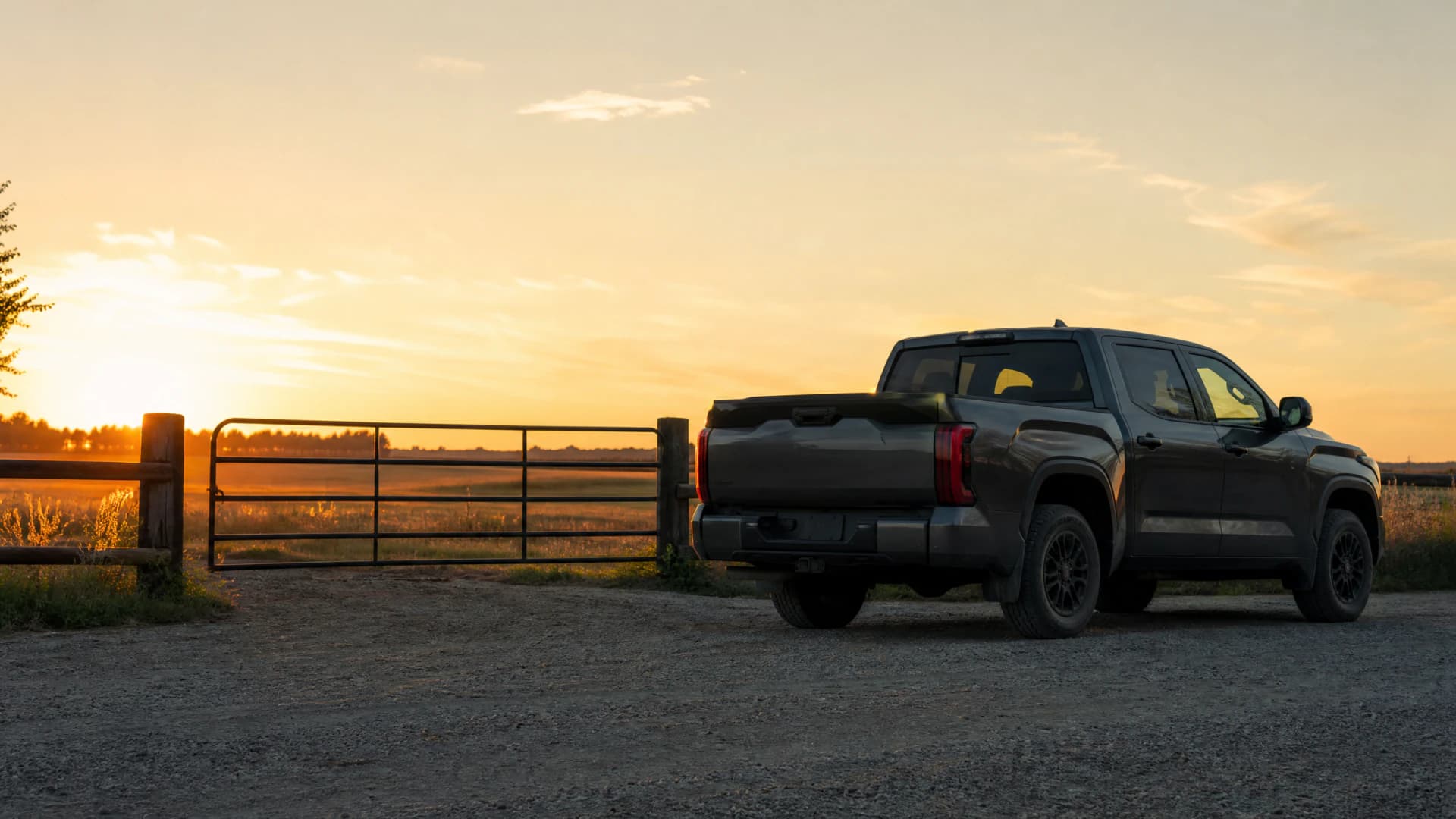
You cannot reinstate a Louisiana driver's license suspended for DUI, uninsured driving, or refusal without an active SR-22 filing on record with OMV — even if you no longer own a vehicle.




How to Obtain Non-Owner SR-22 in Louisiana
Contact a carrier that writes non-owner SR-22 policies in Louisiana. Not all insurers offer this product — call or check online quote tools to confirm availability before starting an application. When you request a quote, specify that you need SR-22 filing and do not own a vehicle. The carrier will issue a non-owner liability policy with SR-22 endorsement and file the certificate electronically with Louisiana OMV.
You must maintain continuous coverage without lapses. A single missed payment triggers automatic cancellation, and Louisiana law requires the insurer to notify OMV within 10 days. OMV re-suspends your license immediately upon receiving the lapse notice. You then face a second reinstatement fee ($60 base fee per R.S. 32:415.1, plus potential additional fees depending on suspension type) and must file a new SR-22 to start the clock again. The original filing period does not pause — a lapse resets your 3-year requirement back to day zero.
Once the SR-22 policy is active, OMV receives the filing within 24 to 72 hours electronically. You can then proceed with reinstatement: pay the $60 reinstatement fee, complete any required DUI education classes or ignition interlock device enrollment if your suspension was DUI-related, submit proof of identity and residency, and apply in person at an OMV office or online at omv.dps.louisiana.gov. The SR-22 filing must be on record before OMV will process your reinstatement application.
3 years
Louisiana DUI SR-22 Filing Period
First-offense DUI suspensions in Louisiana require continuous SR-22 filing for 3 years from the conviction date under R.S. 32:415.1. Refusal suspensions and uninsured motorist violations typically carry the same 3-year period. The clock does not start until OMV receives the SR-22 filing.
Louisiana R.S. 32:415.1
Restricted License with Non-Owner SR-22
Louisiana offers a Restricted License (the state's hardship program under R.S. 32:415.1) that allows limited driving during your suspension period for employment, school, medical appointments, and other OMV- or court-approved necessary purposes. If your suspension was DUI-related, you must complete a mandatory 90-day hard suspension before you become eligible to apply for a Restricted License. The Restricted License requires SR-22 filing and enrollment in Louisiana's Ignition Interlock Device program.
A non-owner SR-22 policy satisfies the SR-22 requirement for Restricted License applications, but the ignition interlock requirement creates a structural problem: IID must be installed in a specific vehicle you have regular access to. If you do not own a vehicle and do not have permission from a vehicle owner to install an interlock device in their car, you cannot meet the IID condition and the Restricted License becomes unavailable. Borrowing a car occasionally does not satisfy the IID requirement — Louisiana OMV and the courts expect the device installed in a vehicle available to you at all times during the restricted period.
What Happens After You Buy a Car
When you purchase a vehicle during your SR-22 filing period, you must immediately contact your insurer and convert your non-owner policy to a standard auto policy covering the newly acquired vehicle. The SR-22 filing transfers to the new policy without interruption. Failing to notify your insurer within the required timeframe (typically 30 days under Louisiana law) can trigger policy cancellation for material misrepresentation, which OMV treats as an SR-22 lapse and results in immediate re-suspension.
The new auto policy will cost significantly more than the non-owner policy — expect premiums to jump from $25–$45/month to $140–$220/month or higher depending on the vehicle's value, your coverage selections, and your violation history. The SR-22 filing period does not reset when you convert from non-owner to standard coverage — the clock continues from the original filing date. Compare carrier rates before purchasing a vehicle; some carriers offer better post-DUI or post-suspension pricing than others, and switching carriers mid-filing-period is allowed as long as the new carrier files SR-22 with OMV before the old policy cancels.
Non-Owner SR-22 Premium vs Standard SR-22
Louisiana non-owner SR-22 policies typically run $25 to $45 per month for minimum state liability limits, depending on your violation history, age, and ZIP code. Carriers writing non-owner SR-22 in Louisiana include Progressive, Geico, USAA (military-eligible only), The General, Bristol West, Direct Auto, and National General. Not all carriers offer non-owner policies — State Farm and Allstate, for example, do not consistently write non-owner coverage in Louisiana.
A standard SR-22 auto policy for a driver with a DUI or uninsured motorist violation in Louisiana typically costs $140 to $220 per month for state minimum liability on a single vehicle. The $100+ monthly difference makes non-owner SR-22 the obvious choice for suspended drivers who no longer own a car and do not need to insure a vehicle they drive regularly. The SR-22 filing fee itself is usually $15 to $25 — a one-time charge added to your first premium payment.
Get Your Free Quote
Get My Louisiana SR-22 Auto Insurance QuoteFrequently Asked Questions
Can I get SR-22 in Louisiana if I don't own a car?
Yes. A non-owner SR-22 policy provides liability coverage when you drive borrowed or rental vehicles and satisfies Louisiana OMV's SR-22 filing requirement for license reinstatement. The policy costs $25–$45/month and does not require you to own a vehicle.
How long does Louisiana require SR-22 filing after a DUI?
Louisiana requires continuous SR-22 filing for 3 years after a first-offense DUI conviction, measured from the conviction date. If the SR-22 policy lapses at any point during the 3-year period, OMV re-suspends your license and the filing clock resets to zero.
Does non-owner SR-22 cover me if I borrow a family member's car?
Yes, as long as you do not live with that family member or use their vehicle regularly. If you live in the same household and drive their car frequently, Louisiana insurers will require you to be added as a listed driver on their policy instead of issuing a non-owner policy.
What happens if my non-owner SR-22 policy lapses in Louisiana?
The insurer notifies Louisiana OMV electronically within 10 days. OMV re-suspends your license immediately. You must pay a new $60 reinstatement fee, file a new SR-22, and restart your 3-year filing period from day zero — the original time served does not carry over.
Can I get a Louisiana Restricted License with a non-owner SR-22 policy?
You can satisfy the SR-22 filing requirement with a non-owner policy, but DUI-related Restricted Licenses also require an ignition interlock device installed in a specific vehicle. If you do not own a car and cannot arrange IID installation in a vehicle available to you regularly, the Restricted License program becomes inaccessible.
Which Louisiana carriers offer non-owner SR-22 policies?
Progressive, Geico, USAA (military-eligible only), The General, Bristol West, Direct Auto, and National General write non-owner SR-22 in Louisiana. State Farm and Allstate do not consistently offer non-owner coverage. Confirm availability before applying — not all carriers write this product.